15 min read time
Managing Water Repellency in WA Soils: A Technical Look at Wetting Agents
Discover effective methods for managing water repellency in Western Australian soils and improve land management.



Investigations revealed Sting Nematodes at this sporting reserve. Sting nematodes use their stylet (a sharp, spear-like mouthpart) to puncture plant roots. They then release enzymes into the root tissue, which helps them to feed on the plant cells. This feeding activity damages the root system, leading to stunted growth, reduced water and nutrient uptake, and susceptibility to other stresses and diseases.
This series of images captures the transformation of Atwell Reserve following the implementation of a targeted nutrient program developed by the City of Cockburn, Sports Turf Technology, and Baileys Fertilisers.
The program was designed to manage both turf health and Sting Nematode activity. Initial soil sampling established the nutritional baseline, guiding a tailored plan to restore soil balance and turf vitality.
The first stage involved applications of Granulated Grosorb, Bentonite Clay, and Dolomite Lime, followed two weeks later by Sure Green with a BiOWiSH coating. To sustain recovery, fortnightly BiOWiSH applications were delivered through the irrigation system.
The progress images highlight key milestones
Week 1: shows early improvements after the initial fertiliser treatment,
Week 4: demonstrates continued strengthening with ongoing BiOWiSH applications, and by
Week 6: sports traffic was redirected to support recovery.
Week 9: the results speak for themselves — visibly healthier, denser and more resilient turf


BiOWiSH operates symbiotically with plants, fostering beneficial soil microorganisms, enhancing nutrient availability, and promoting plant growth. While widely used in horticulture, BiOWiSH has also proven successful on Perth sports ovals.
This versatile biotechnology product that enhances microbial activity in soil, promoting root mass, nutrient uptake, and plant vigor. The Biological coating contains Bacillus subtilis, Bacillus amyloliquefaciens, Bacillus licheniformis and Bacillus pumilus. These beneficial microbes have several modes of action which improve plant performance.
BiOWiSH can be applied in numerous ways, including: mixed with granular fertilisers, mixed with liquid nutrients or through a fertigation system on its own.
Rather than controlling nematode populations, BiOWiSH fosters turf root development, increasing its resilience against nematode damage.
The diagram illustrates the Rhizophagy Cycle, the process where plants and microbes work together to exchange nutrients and energy. It begins in the soil, where microbes absorb nutrients and then enter the root hairs of a plant. Inside the root, reactive oxygen produced by the plant extracts nutrients from the microbes, effectively “milking” them for essential elements. The now nutrient-depleted microbes travel through the root cells toward the root hair tips, where they are released back into the soil. Once outside, these microbes recharge by gathering more nutrients from the rhizosphere, restarting the cycle. This continuous exchange not only enhances plant nutrition and growth but also supports soil health and microbial diversity.


Discover effective methods for managing water repellency in Western Australian soils and improve land management.

Wildwood Nursery, located in the Southwest of Western Australia, is known for its diverse range of plants from native proteas to high-value crops like avocados and blueberries. Over the years, Baileys Commercial has partnered with Wildwood to develop a series of custom potting mixes, each designed to meet the specific needs of different species and production systems.
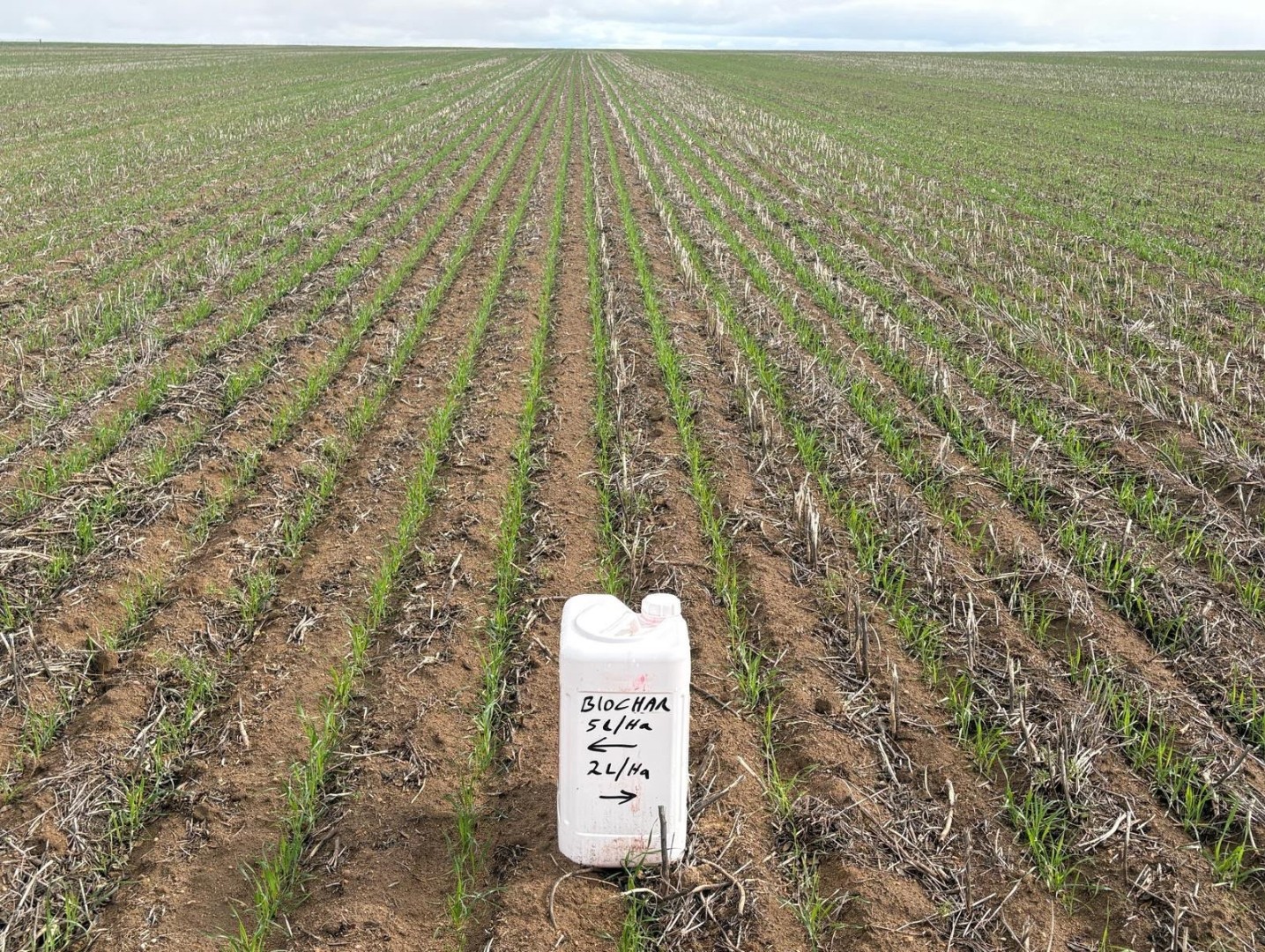
Discover how Baileys Bio-Char Boost improves soil structure, water retention and drought resilience. Backed by university research with yield increases of up to 44%.