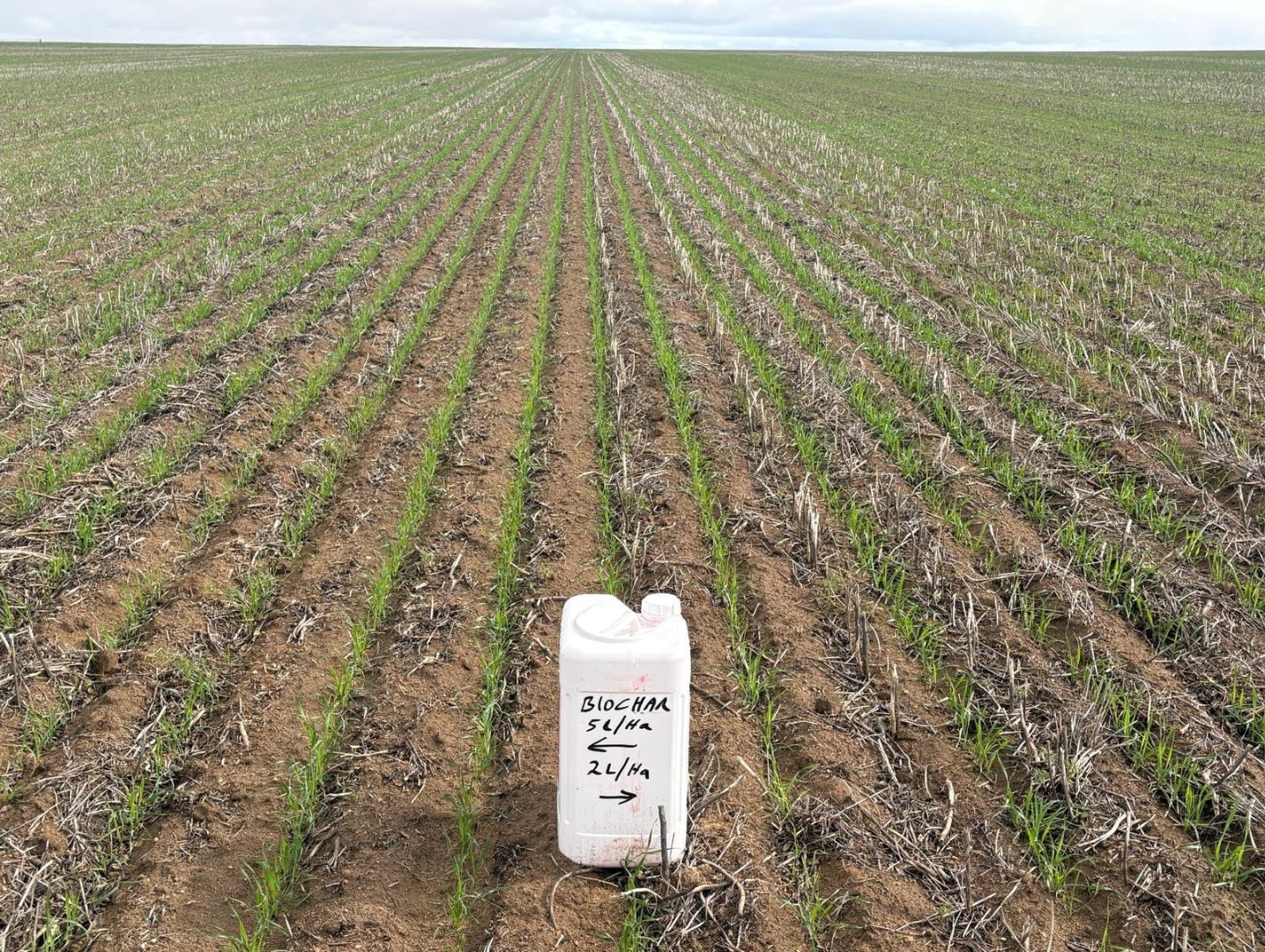
Biochar works by improving the soil itself rather than acting as a conventional fertiliser. Once applied, biochar delivers highly porous biochar particles into the root zone, where they enhance soil structure, water retention and nutrient availability.
The secret lies in biochar’s sponge-like structure. Its millions of microscopic pores capture and hold water that would otherwise drain away, making moisture available to plants for longer. This is particularly beneficial in Western Australia’s sandy soils, where water retention is often limited.
These pores also retain important nutrients such as potassium, calcium, magnesium and ammonium nitrogen, reducing leaching and improving fertiliser efficiency. By increasing the soil’s cation exchange capacity (CEC), biochar helps keep nutrients in the root zone where plants can access them when needed.
Beyond water and nutrient retention, biochar provides a protected habitat for beneficial soil microorganisms. These microbes help cycle nutrients, improve soil biology and support healthier root development.
The combined effect is stronger root growth, improved nutrient uptake, better drought resilience and enhanced plant performance. Because biochar remains stable in the soil for years, these benefits continue to build over time, making biochar a long-term investment in soil health, productivity and resilience.