“These types of profiles get extreme water repellency, they’re predisposed to becoming water repellent. So you look at it in this wet condition now and you have no problem wetting the root zone. It’s when it dries out, is when it becomes very difficult to rewet.
When we test for water repellency, we actually take some cores and then dry them in the oven so they’re totally dried, and then test them for water repellency and that’s how we rate the soil. There’s actually a formal rating scale, traditionally it’s been from zero to four, so zero is no water repellency, four would be very severe water repellency. In our sands they’re typically severe to very severe three to four rating, but we’ve added one for turf soils, a rating of five, which we call extreme.
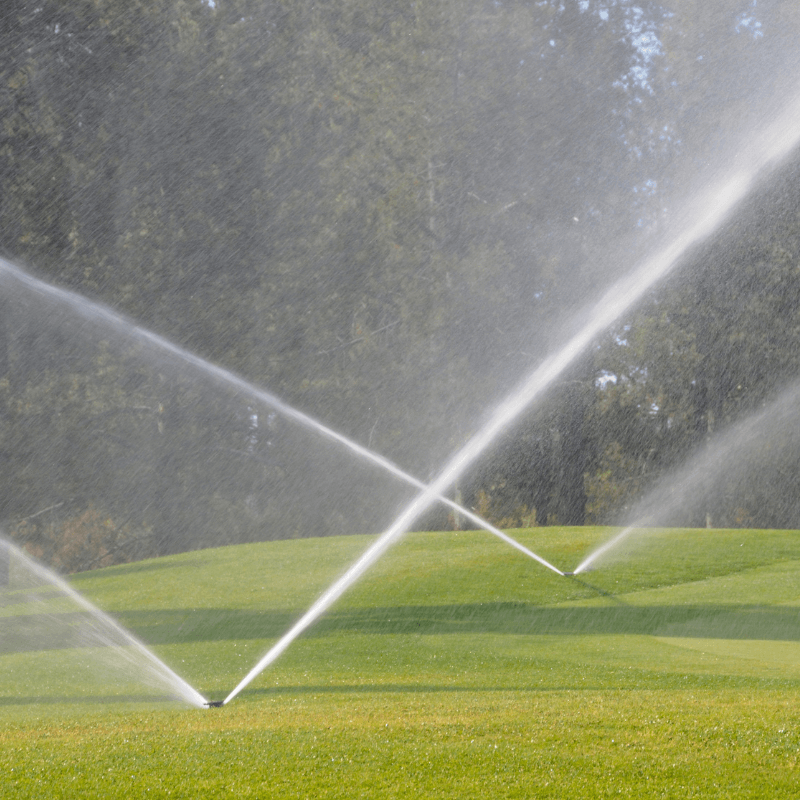
These turf soils are predisposed to becoming extremely water-repellent, but only when they dry out. Where a lot of people get caught is in the spring when the weather’s still cool and you’re maybe not irrigating, the turf is drawing on the root zone moisture and the surface dries out before you know it because it’s using water every day. Then when you come to start irrigating, it’s already starting to get water-repellent”